Friday, April 2, 2010

Ain't I a Woman! A Book of Women's Poetry from Around the World

[this beautiful book's cover image is from here]

[this version of the book's cover is from here]

Ain't I a Woman! A Book of Women's Poetry from Around the World (Hardcover)

~ Illona Linthwaite (Author) 

  • Publisher: Gramercy; 13th Ptg. edition (July 13, 1993)
  • Language: English
  • ISBN-10: 0517093650
  • ISBN-13: 978-0517093658
OR
  • Publisher: Lincolnwood, Ill. : Contemporary Books, 2000.
  • ISBN: 0809225344
Contents
  • House of Desire / Sherley Anne Williams
  • Warning / Jenny Joseph
  • My Country / Zindziswa Mandela
  • Mamzelle / Mary Wilson
  • If You Black Get Back / Cheryl Clarke
  • Growing Up / U A Fanthorpe
  • Witch / Jean Tepperman
  • Sun Witness / Nurunnessa Choudhury
  • Invitation to a Dance / Susan Wallbank
  • Richard Brought His Flute / Nancy Morejon
  • Lost, One Soul / Sandy McIntosh
  • Other Fabrics, Other Mores! / Anna Maria Lenngren
  • Nikki Rosa / Nikki Giovanni
  • Cartwheels / Mary Lonnberg Smith
  • Poem of Distant Childhood / Noemia da Sousa
  • Blue Specks / Nurunnessa Choudhury
  • Quatrains / Mahsati
  • I Hate Poetry / Julia Vinograd
  • I Said to Poetry / Alice Walker
  • New Notebook / Maria Banus
  • I Used to Think / Chirlane McCray
  • Ama Credo / Margaret Reckord
  • Mririda / Mririda N'ait Attik
  • Sho Nuff / Nilene O A Foxworth
  • African Beauty / Taiwo Olaleye-Oruene
  • Almost Love / Magaly Sanchez
  • To a Boy / Nancy Morejon
  • Desire / Dinah Livingstone
  • Every Day That I Love You / Teresita Fernandez
  • To the tune 'A Floating Cloud Crosses Enchanted Mountain' / Huang Ho
  • 'After he stripped off my clothes' / Villana
  • Thanks / Nina Cassian
  • Africa and the Caribbean / Jennifer Brown
  • He May Be a Photograph of Himself / Tina Reid
  • Return / Mary Dorcey
  • Song (October 1969) / Kath Fraser
  • On a Night of the Full Moon / Audre Lorde
  • Sea Change / Mary Dorcey
  • New Face / Alice Walker
  • 'From her grave' / Gillian E Hanscombe
  • Memorial I / Audre Lorde
  • For D S / Christine Craig
  • Disillusion / Maureen Burge
  • Do You Fancy Me? / Dinah Butler
  • Ever Notice How It Is with Women? / Margaret Randall
  • Meaningful Exchange / Marge Piercy
  • 'I see a man who is dull' / Anonymous
  • Dry Rock Number / Tina Reid
  • Some Men / Dazzly Anderson
  • Good Old Body / Christine Donald
  • Fat Blues / Charmaine Crowell
  • 'The thin women woo each other' / Christine Donald
  • Wha Fe Call I' / Valerie Bloom
  • Diet / Maureen Burge
  • Invitation / Grace Nichols
  • Whistle, Daughter, Whistle / Anonymous
  • Bride / Bella Akhmadulina
  • 'Lucky bridegroom' / Sappho
  • Poem for a Marriage / Christine Craig
  • Auld Robin Gray / Lady Anne Lindsay
  • Creation of the World / Eva Toth
  • Marriage / Anna Wickham
  • 'My husband is the same man' / Sila
  • Marriage / Elaine Feinstein
  • Nervous Prostration / Anna Wickham
  • 'A free woman At last free!' / Sumangala's Mother
  • 'I thought you were good' / Anonymous
  • They Went Home / Maya Angelou
  • 'Because we suspected' / Lady Ise
  • Story of a Hotel Room / Rosemary Tonks
  • For All Mary Magdalenes / Desanka Maksimovic
  • In Memory, 1978 / Judith Kazantzis
  • Death of a Dove / Nurunnessa Choudhury
  • Ballade / Christine de Pisan
  • Ballad / Gabriela Mistral
  • To the tune 'The Fall of a Little Wild Goose' / Huang Ho
  • Lady of Miracles / Nina Cassian
  • Selected Quatrains / Mahsati
  • What'll the Neighbours Say? / Sandra Kerr
  • With Child / Genevieve Taggard
  • Labour Pains / Yosano Akiko
  • Miracle / Maureen Hawkins
  • In My Name / Grace Nichols
  • Woman into Man / Susan Wallbank
  • My Baby Has No Name Yet / Kim Nam Jo
  • For a Child Born Dead / Elizabeth Jennings
  • Sleep Close to Me / Gabriela Mistral
  • At the National Gallery / Judith Kazantzis
  • Birthplace / Tahereh Saffarzadeh
  • Mountain Girl / Rafaela Chacon Nardi
  • Flower-Press / Penelope Shuttle
  • From Poem to Her Daughter / Mwana Kupona Msham
  • For My Daughter / Judith Kazantzis
  • Sent from the Capital to Her Elder Daughter / Otomo no Sakanoe
  • Daughter / Mary Dorcey
  • Grande Jetee / Mary Mackey
  • Mrs Johnson Objects / Clara Ann Thompson
  • Her Sister / Moira O'Neill
  • Mother and Child / Penelope Shuttle
  • Boy and the Dream / Anna Wickham
  • Sun Going Down upon Our Wrath / Denise Levertov
  • Mother /k Nagase Kiyoko
  • Distances / Katherine Gallagher
  • Mother / Nancy Morejon
  • Trying on for Size / Mary Dorcey
  • Dad / Elaine Feinstein
  • To My Father / Dinah Butler
  • Father / Jean Kipkin
  • Journey / Margaret Reckord
  • One Life / Dinah Butler
  • Cythera / Suniti Namjoshi
  • 'Immortal Aphrodite, on your patterned throne' / Sappho
  • Love Letter / Carole E Gregory
  • Lilith Re-Tells Esther's Story / Michelene Wandor
  • Vashti / Frances E W Harper
  • From Jezebel Her Progress / Gillian E Hanscombe
  • Look, Medusa! / Suniti Namjoshi
  • Remember Medusa? / Eunice de Souza
  • Eve Meets Medusa / Michelene Wandor
  • I See Cleopatra / Nurunnessa Choudhury
  • Cleopatra / Mary Mackey
  • Cleopatra / Anna Akhmatova
  • Chain / Christine Craig
  • Anti Apart Hate Art / Michelle T Clinton
  • You Will Be Hearing from Us Shortly / U A Fanthorpe
  • Anti-Racist Person / Marsha Prescod
  • 'Paki Go Home' / Himani Bannerji
  • Hi De Buckras Hi! / Grace Nichols
  • Ain't I a Woman? / Sojourner Truth
  • Miss Geeta / Margaret Reckord
  • I Love My Master / Nancy Morejon
  • Skin-Teeth / Grace Nichols
  • She's Free! / Frances E W Harper
  • Woman's Issue / Margaret Atwood
  • Ugly Things / Teresita Fernandez
  • Ita / Yolanda Ulloa
  • Epilogue I and II / Anna Akhmatova
  • Survivor / Katherine Gallagher
  • I Will Live and Survive / Irina Ratushinskaya
  • Under Attack / Margaret Randall
  • Artemis / Rita Boumi-Pappas
  • Ala / Grace Nichols
  • Krinio / Rita Boumi-Papps
  • Be Still Heart / Nilene O A Foxworth
  • Greenham Women / Wendy Poussard
  • No War / Judith Kazantzis
  • Day I Once Dreamed / Pat Arrowsmith
  • Flesh / Deborah Levy
  • Everything Is Wonderful / Jayne Cortez
  • Women on the Road to Pine Gap / Wendy Poussard
  • Like an Orchid in Deep Muddy Water / Nilene O A Foxworth
  • I Live in Cuba / Lourdes Casal
  • If You Want to Know Me / Noemia da Sousa
  • White-Hot Blizzard / Irina Ratushinskaya
  • To the tune 'The River Is Red' / Ch'iu Chin
  • All That You Have Given Me Africa / Anoma Kanie
  • Yes, I Am an African Woman / Nilene O A Foxworth
  • Credo / Denise Levertov
  • Praise / Dinah Livingstone
  • Credo / Jean Lipkin
  • Song of Hope / Daisy Yamora
  • To My Unknown Friend / Irina Ratushinskaya
  • Watching a Child Watching a Witch / Jenny Joseph
  • Political Activist Living Alone / Pat Arrowsmith
  • Now or Never / Astra
  • Morning Athletes / Marge Piercy
  • Poor Old Fat Woman / Christine Donald
  • To the tune 'Eternal Happiness' / Li Ch'ing-Chao
  • Short Biography of a Washerwoman / Yolanda Ulloa
  • Old People Dozing / Denise Levertov
  • After My Grandmother's Death / Michele Roberts
  • Eurynome / Eleni Fourtouni
  • Love / Nilene O A Foxworth
  • Song of the Old Woman / Anonymous
  • 'For her Birthday' / Susan Wallbank
  • Folk Song / Anonymous
  • Near Death / Stef Pixner
  • Song of an Old Woman Abandoned by Her Tribe / Anonymous
  • Life-Hook / Juana de Ibarbourou
  • On Ageing / Maya Angelou
  • One Flesh / Elizabeth Jennings
  • Bean Eaters / Gwendolyn Brooks
  • ' already old age is wrinkling my' / Sappho

Editorial Reviews

Review

Compiled with a specific purpose-to redress the omission of women's work in traditional writing collections-Ain't I A Woman! flows through the varied experiences of childhood, adolescence, love, sex, parenthood, family and work in the poetry of women from around the world. A welcome departure from the sometimes disjointed anthology, this collection is an exciting tool for discovering and celebrating women's contributions to poetry. -- From The WomanSource Catalog & Review: Tools for Connecting the Community for Women; review by KS --This text refers to an out of print or unavailable edition of this title.

Product Description

Spanning the centuries from Sappho's Greece to tenth-century Japan, from nineteenth-century Chile to Zindziswa Mandela's twentieth-century South Africa, the voices of these women poets express themes of love, injustice, motherhood, and loss, and the oppressions of race and sex. The sequence of the poems moves from youth to old age, and they bear witness to the triumphs as well as the pain and frustration of women in many times and in many places.

Among the many poets whose work is included are Anna Akhmatova, Maya Angelou, Judith Kazantzis, Gabriela Mistral, Marge Piercy, Irina Ratushinskaya and Alice Walker.

Illona Linthwaite began gathering this collection several years ago, initially for a theatrical performance. Here, in this unique exchange between women of many races, affirming their differences and what they have in common, are more than 150 poems which assert the black abolitionist Sojourner Truth's challenge, "Ain't I a Woman!"

In addition to the poems, there are biographies of the 91 contributors.


Most Helpful Customer Reviews

 
9 of 9 people found the following review helpful:
5.0 out of 5 stars Boost on Self-Esteem, June 7, 2000
By Christine Bryant (Alexandria, VA) - See all my reviews
Ain't I a Woman was not a surprise to me. It is full of beautiful works of art. This book is full of voices of many different women, with different lives, different backgrounds but from their voices you can feel their strength and each voice in that book can add to your self-esteem and make you feel stronger about yourself as a women with every poem. Although some poems are not as powerful as others, their messages are still there: "I lived, I saw, I loved, I struggled, I died, but most importantly I felt, felt what life was like and from my words you might learn how it really is to be a woman". This book should be read by anyone who has time get lost in its poetry. I personally read a piece of the book everyday at work and I am glad that I made the time. There are many different writers in this book and I recommend reading different works from those authors as well.


9 of 9 people found the following review helpful:
5.0 out of 5 stars Bold, striking, and sure to produce favorites, July 31, 1999
By A Customer
This book obtains its title from Sojourner Truth's incomparable speech in 1851, and for the most part is brilliant and moving. My main complaint is that it focuses on the physical (sex, childbirth, etc.) so much that it could be classified as erotic poetry instead of a full exploration of womanhood. However, look for amazing cultural and chronological diversity in authors, and refreshing humor in poems like "Sho nuff." The development of the book is thematic, according to stages of life by also by subject. Series show different visions of famous women such as Jezebel, Cleopatra, and Medusa, which ends with a hilarious conversation between Medusa and Eve. The poems in this collection really strike - not everyone will like everything, but I'm sure everyone will find SOMETHING in here that really gets their attention. My personal favorite is "Witch." There are dozens of poems in here, enough to make the book seem very long, but since no poem is longer than two pages, I garantee you won't get bored.


5 of 5 people found the following review helpful:
5.0 out of 5 stars Classic and modern women's poetry from around the world., May 10, 2002
By MLPlayfair (Ravenna, OH) - See all my reviews
(VINE VOICE)   
This is one of the best anthologies of poetry I've ever found. The purpose: Bring together words from women of all cultures, all ages, all corners of the world. Here are young women, old women, fat women, starving women, lives touched by peace, war, spiritual joy, physical abuse, passion, motherhood, loss. There are beautiful, haunting words here. There are cold, hard, brutal images here. If you're a woman who complains about feminists, please read this book and try to understand what women have had to go through so that you could be where you are today: free to complain. If only to have a copy of Sojourner Truth's immortal "Ain't I a Woman?" speech from 1852, this book would be worth the price. Read this book for the incredible messages here. You will be moved.

Hell hath no fury like a group of privileged white het men who mistakenly believe they've been scorned by women

 [image of book cover is from here]

What follows was written by Andrea Dworkin, about men and woman-hating.
I want to talk to you about equality, what equality is and what it means. It isn't just an idea. It's not some insipid word that ends up being bullshit. It doesn't have anything at all to do with all those statements like: "Oh, that happens to men too." I name an abuse and I hear: "Oh, it happens to men too." That is not the equality we are struggling for. We could change our strategy and say: well, okay, we want equality; we'll stick something up the ass of a man every three minutes.

You've never heard that from the feminist movement, because for us equality has real dignity and importance--it's not some dumb word that can be twisted and made to look stupid as if it had no real meaning.

As a way of practicing equality, some vague idea about giving up power is useless. Some men have vague thoughts about a future in which men are going to give up power or an individual man is going to give up some kind of privilege that he has. That is not what equality means either.

Equality is a practice. It is an action. It is a way of life. It is a social practice. It is an economic practice. It is a sexual practice. It can't exist in a vacuum. You can't have it in your home if, when the people leave the home, he is in a world of his supremacy based on the existence of his cock and she is in a world of humiliation and degradation because she is perceived to be inferior and because her sexuality is a curse.

This is not to say that the attempt to practice equality in the home doesn't matter. It matters, but it is not enough. If you love equality, if you believe in it, if it is the way you want to live--not just men and women together in a home, but men and men together in a home and women and women together in a home--if equality is what you want and what you care about, then you have to fight for the institutions that will make it socially real.  -- Andrea Dworkin, "I Want a Twenty-Four-Hour Truce During Which There is No Rape"

Let's take a moment to note what Dworkin DOESN'T call for: sticking something up the ass of a man every three minutes. Why? Here's why: because she didn't want men to suffer what women suffer, because she was against human suffering. You'd never know it from all the vile and overtly misogynistically hateful stuff men say about her, including right after she died. And these men have the audacity to publicly proclaim, ad nauseam, that WOMEN hate MEN. Antifeminist devote whole websites, discussion forums, and blogs to noting how much feminists hate men. Notice this as well: when antifeminist men quote Dworkin, they never quote that she says raping men is not what feminism is about because feminists values equality and dignity.

The men who are hateful to feminists, who the men mistakenly believe hate them, are not well-read in womanist and feminist literature. They only know about a dozen quotes by a very few white women, because that's all they've read--those few quotes, taken out of context or never written by the author alleged to have penned them. And so they don't really know what radical feminists are saying at all, but claim to be experts on the subject. Well, on all subjects, actually.

That feminists value these things (equality and dignity) is well-evidenced in their writings. But white het men who hate women, gay men, and men of color would prefer not to use those quotes when making their very flimsy case that women hate men and THAT'S the problem with society. It's a flimsy case because it has no grounding in social reality, including in the texts and speeches of radical feminists. Instead of confronting who actually holds the hate, there are groups of WHM who go on and on about the problem of misandry--supposedly expressed by women, not by the people who do hate men--other men. Men cannot admit how much they hate men. Because they need the capriciously conditional approval of men too much.

So, in place of men being loving, men protect and defend each others' misogyny. They may stand by their men but they are rarely kind to one another because men fear each other. A lot. They protect each other out of fear of being rejected and losing status among their male peers. But that's a far cry from love, and there's no dignity or self-respect in being dick-whipped.

Rather than acknowledge all of this, face it, own up to it, we men are cowardly, but in a decidedly masculinist way: we argue with each other, we compete for power, resources, and prizes, we war against each other. None of that is love.

I'm posting here a few examples of what women say to men about men. Let's see if these passages find their way onto those blogs, websites, and forums where WHM go on and on hatefully--and no sense of dignity, about everyone else.

A while ago I posted an open letter to Tiger Woods from radical feminist Alice Walker. Here is that open letter. Note a level of compassion rarely expressed by men toward other men or, particularly, toward women who cheat on their husbands.

Next is this, from radical feminist Audre Lorde, about her son, Jonathan. This was written while he was growing up with her. He was fourteen at the time of this writing:
Jonathan said that he didn't think there was too much in feminism for boys, although it certainly was good to be able to cry if he felt like it and not to have to play football if he didn't want to. I think of this sometimes now when I see him practising for his Brown Belt in Tae Kwon Do.
The strongest lesson I can teach my son is the same lesson I teach my daughter: how to be who he wishes to be for himself. And the best way I can do this is to be who I am and hope that he will learn from this not how to be me, which is not possible, but how to be himself. And this means how to move to that voice from within himself, rather than to those raucous, persuasive, or threatening voices from outside, pressuring him to be what the world wants him to be.

And that is hard enough.

Jonathan is learning to find within himself some of the different faces of courage and strength, whatever he chooses to call them. Two years ago, when Jonathan was twelve and in the seventh grade, one of his friends at school who had been to the house persisted in calling Francis "the maid." When Jonathan corrected him, the boy then referred to her as "the cleaning woman." Finally Jonathan said, simply, "Francis is not the cleaning woman, she's my mother's lover." Interestingly enough, it is the teachers at this school who still have not recovered from his openness.  -- Audre Lorde, "Man Child: A Black Lesbian Feminist Response"

Now, dear readers, which gender do you suppose "the threatening voices" are in a boy's life? In mine, it was boys' and men's voices. And in yours? What gender was the one who threatened to beat up other men, and also women? And do it. Who threaten to wage war against "others"? And do it. Right now. People dying: men, women, children. Men wage these wars, not women. Men do the most brutal things, and the women activists' response is to say, "we deman a more humane standard of being".

I close this post with this statement by Houzan Mahmoud on how she opposes the execution of the men who stoned a woman to death--a woman she fought to keep alive. Women consistently have been on the side of caring for and about men. But somehow when women are explicitly pro-woman, men assume that means they hate men.

Despite all this evidence here of women loving humanity and the plethora of men's misogynist quotes, racist white homophobic het men get to brand "feminists as "man-haters" and "femi-nazis". Show me the man-hating in anything written by women here, fellas. Quote THESE women, with THESE passages and see how far you get with your illogical allegations that radical feminists hate men. Why, I bet these guys didn't even know there WERE radical feminists of color. Including LESBIAN ones. What do you have to say about them, fellas?

The following story, a bit further down, recounts the horror of a woman being stoned to death by men, including her brothers. I know a white woman, class-privileged, who was raped both by her father, her brothers, and her male cousins. Gang-raped by the brothers and cousins. Privately raped by dad.

I tend to want men to experience what men do to women, to know what it feels like. I'd be fine with women stoning and raping men, to whatever degrees of harm and injury, in front of hundreds of women, to humiliate them, make them suffer socially. I have a "by any means necessary" attitude about how male dominance of women and the requisite atrocities should be stopped. But you won't find that policy in radical feminist writing. I'm a man, so I can sound like I hate men, even though I don't. But men do insult me, because I'm gay. The white het men who complain about those radical feminists being so mean and hateful; they call me a f*ggot. What do you call that? Love? These guys have no moral ground to stand on. And my most alarmist things I want for men were not learned from radical feminists. That eye for an eye stuff is man-speak, after all.

But all this "exposure of truth" kind of blows the logic-lids off all those boys who insist "feminism" = "misandry". As if. WHM, you're the misandrists AND the misogynists AND the homophobes, not radical feminists, and there's plenty of proof both in this post and in the world. MEN call for the deaths of men, not women. MEN killed a woman in this story, publicly, not the other way around. MEN raped a white class-privileged woman I know when she was a girl. MEN--three of them--molested another white woman I know, all separate incidents, over one summer. Wake up and smell your own hatred for humanity, and stop blaming feminists for doing what you do so very well, meaning, callously and horrendously.

What follows is from *here*.

Iraq: Executing Du'a Khalil's killers is not justice, but a violation of human rights

Source: 
Organisation of Women’s Freedom in Iraq
Statement by Organisation of Women’s Freedom in Iraq-Abroad Representative:  According to official sources at Ninawa Criminal Court, the four people charged with the stoning of Du'a Khalil Aswad on 7 April 2007 have been sentenced to death. The decision was made on 27 March, just three weeks before the third anniversary of Du'as murder. It is reported that two of the convicted men are Du'a's brothers. Du'a was stoned to death in front of almost 2,000 men; with Iraqi police maintaining "law and order" while the stoning took place. The authorities knew about the atrocity, but did not prevent it.

The International Campaign against the Killing and Stoning of Women in Kurdistan has campaigned tirelessly for the killers to be brought to justice. Our campaign was the first to expose Du'a's murder, and brought great pressure to bear on the Iraqi government and Kurdistan regional government through demonstrations, seminars, conferences and a petition to the Kurdish parliament signed by 16,000 people across the world. We demanded not only the bringing of Du'a's killers to justice, but an end to so-called 'crimes of honour'. But the decision to execute the killers is no justice and not what we want.

Capital punishment is the most horrendous form of punishment. We oppose capital punishment as a form of so-called justice; it will not end honour killings, but only make our society more brutal and violent, conditioning people to accept killing. We do not want to go back to the dark days of the Ba'athist regime, when capital punishment was used to silence people and keep them terrorised. Our society has had enough of violence, terror and oppression. The Ba'ath regime brought back 'honour killings' in the late 80s, allowing men to protect their so-called family honour by murdering women. For decades under both Saddam's dictatorship and the rule of Kurdish government in the north, society has been pushed backward, with anti-women values and norms strengthened and men allowed to carry out violence, killings, rape and brutal discrimination against women.

The current family status law upholds patriarchal, religious and conservative norms which discriminate against women. The government has totally failed to promote equality, women's rights and individual rights and freedoms. They insist on implementing Islamic Sharia law and recognising ethnic, tribal and religious mores instead of a modern civil family law. Our basic problem is a ruling class which divides society on the basis of gender, religion, ethnicity and race. This system constantly reproduces violence against women, but executing four men will not solve the problem.

We urge workers', women's and human rights organisations and activists the world over to condemn capital punishment. Laying the foundations for human rights, women's rights and equality is the only solution.

Houzan Mahmoud
Representative Abroad of the Organisation of Women’s Freedom in Iraq
31/03/2010

Thursday, April 1, 2010

Got Water? Do you see Water as a Radical Profeminist Issue Connected to Rape? Please Learn about the African Indigenous Women's Organisation and the Work it Does


 [image is from here]

Too often, the realities of most of the world's women are made invisible by men in the West. If Western men take up issues of gender justice, the lives, experiences, and challenges facing the majority of the world's women, and Indigenous women specifically, tend not to make the radar screen of compassionate concern and activist engagement. There are many challenges for Western men who wish to be responsible global citizens. De-centering our lives as typical examples of what "human life" entails is crucial, for most people on Earth are neither male nor Western. And the threats to life of women outside our communities are likely not to be reported on by the media, or to be reported on in ways that stereotype and further silence those women, replacing their voices with those of translators, Western anthropologists, and Western scholars who each bring their biases into their reporting.

The availability of clean water primarily impacts women living in poor countries, not rich ones. Poor countries are poor due to colonialism, Western capitalism's globalisation, the WTO, the INF, and white greed and consumption of the world's resources, all of which exists at the expense of all other people. Due to having had sustainable societies that were bound to the land in a symbiotic way, many Indigenous peoples are especially vulnerable to Western civilisation. Genocide is the consequence. Indigenous land, cultures, and people are routinely disregarded and destroyed by Western corporations' raids, violations, and theft of "natural resources". "The First World" (read: the Last World)--its policies, practices, politics, presumptions, and people, often work against the interests of Indigenous women. This is because Western civilisation's survival requires genocide and ecocide. The gendered reality of that is often hidden in the media. Most people killed in land and resource wars and genocide are women. Gynocide is A Radical Profeminist's preferred term for the genocide of women, by men, globally.

Land, water, preservation of culture, languages, and resistance to the misappropriation of all of it, are profeminist issues and ought to be centralised into any analysis of what it means to be an oppressed woman.

What follows is from *here* and *here*.

 WELCOME!

By Gemma Bulos of A Single Drop Posted 12 months ago
Hello sisters I'm so glad to see that you are ready to join us on PWX! I just wanted to ask a few questions about your work if I may. Can you tell me when you decided to focus on water projects and what was the catalyst that started you thinking about starting a water program? Also, I know you are in the early stages of developing your water program, but can you tell us briefly how you are going to roll out your strategy? Looking forward! In sisterhood Gemma

Reply to the questions by Gemma

By Lucy Mulenkei of African Indigenous Women's Organization Posted 12 months ago
Hi all, We decided to focus on water projects after the women and water conference held in Nairobi in the year 2008. During that conference several issues regarding water and women and water were brought out which we decided to address. Among these issues was that women are the ones who are most affected by the effects of climate change like water shortage. This is because women and moreso indigenous women have to travel over long distances to look for water. In the course of that search for water, they are prone to being raped and even to the conflicts among the pastoralist group of the indigenous peoples. This conflicts arise among these communities because you find that there is only a single source of water and so they have fight over it. In addition most water catchment areas in indigenous community areas are polluted because even animals use the same water and so the women end up fetching the same contaminated water which is unsafe for consumption. Therefore the need to separate the area for water access to people and animals made us think of starting a water program. Further, the need to reduce women's workload so that they don't have to waste a lot of time looking for water but to also focus on other income generating activities was a reason for us starting this program. Our strategy has been identifying water catchment areas in indigenous peoples areas that need to be conserved and protected and consulting communities on their water needs. We have also been working in consultation with women and other organised groups from communities that express the need for conserving their water sources. We also want to train women on harvesting rain water using gutters and planting of trees in each homestead. Thank you Yvonne and Georgina.

Organization Background


The African Indigenous Women’s Organization is a continental-wide NGO, whose members are composed of African Indigenous Women representing NGOs and CBOs from all over the continent. We work towards the promotion of women’s rights and indigenous rights throughout Africa.

The specific objectives of AIWO are:
• The defense and promotion of the rights and interests of African Indigenous Women.
• Provide assistance and support to the Indigenous Women of Africa who are victims of violence and genital mutilation.
• Supporting the Indigenous Women of Africa in the preservation of their Indigenous knowledge and natural resources.
• Making every effort to guarantee the property rights of Indigenous Women in order to enable them to live a decent life in their own territories.
• Monitoring the initiation of sustainable economic development in the areas inhabited by the Indigenous Peoples of Africa.
• Organizing training sessions for Indigenous Women in the field of Human Rights.

African Indigenous Women’s Organization (AIWO) was formed on 24th April, 1998, in Agadir, Morrocco. This was after the first African Indigenous Conference held on 20th to 24th the same year. The conference was initiated by Netherlands Center for Indigenous Peoples and hosted by Tamaynut of Morocco. The Theme of the conference was to “Clarify the role of the Indigenous Women as supporters of the Community and strengthen the Indigenous Cultures’ chances for persistence”. The organization was started by a number of Indigenous Women attending the conference, in response to the lack of recognition of Indigenous Women’s rights in Africa. Those who started AIWO are all members of Indigenous and/or women’s rights-focused NGOs and CBOs throughout Africa.

AIWO is a regional organization. We work in all regions of the Africa. AIWO has elected officials to represent Northern, Western, Eastern, Central and Southern Africa. We are connected with NGOs and CBOs throughout the continent, and carries out activities in each region.
Our target group is all African Indigenous Women throughout the continent, as well as non-governmental and community-based organizations run by and for the benefit of African Indigenous Women.

AIWO’s strength is in its diversity, extensive networks and the knowledge that each of the members bring to the group. As AIWO’s members are also members of women’s rights-focused and Indigenous organizations from all over Africa, each brings valuable experiences, contacts and ideas to the organization. The regionally-focused structure means that AIWO can run programs and activities in each region, as well as planning activities which bring all of the regional segments together.

Annual Water and Sanitation Budget
(in USD)
$2,000
Annual Non-Water
Budget
(in USD)
$300,000
Website

Iraqi Women Forced into Sexual Slavery: US and UK Culpability

Please click on title just below to link back to where I found this post.

Iraqi Women Forced into Sexual Slavery
Thursday, 28 January 2010 18:40
 
Interview with Houzan Mahmoud: Iraq’s desperate economic and security situation is leading to the trafficking of hundreds of Iraqi women into prostitution and sexual slavery.  Rising numbers of Iraqi women are being sold into sexual slavery every year because of the waning economy and dire security situation.
 

Human rights organizations are highlighting the plight of Iraqi women and young girls, sometimes as young as twelve, exploited by criminal gangs for profit.  “The women trafficking trade is at its height,” Houzan Mahmoud, representative abroad of the Organization of Women’s Freedom in Iraq said. “There has never been a situation as extreme, and it’s frightening. Many of them have been trafficked to neighboring countries like Syria or the Gulf states or trafficked internally inside Iraq from one city to another.”

The Baghdad Women’s Organization estimates that at least 200 Iraqi women are sold into slavery every year, although the U.S.-based Human Rights Watch estimates that the numbers are in the thousands. The organization warns that the figures may be higher if Iraqi refugee women in neighboring countries such as Syria and Lebanon are also counted.

“The situation has become much worse since 2003, after the U.S. led invasion of Iraq,” Nadya Khalife, a women’s rights researcher for the Middle East and North Africa region at Human Rights Watch told The Media Line.

“More women have become widows and orphans and have turned to prostitution to simply make ends meet,” she said. “There are simply no other alternatives for women who head households to locate other sources of income. In Syria and Lebanon, for instance, Iraqi families have simply exhausted their financial savings and some of these families have forced their own wives and daughters into prostitution.”

Mahmoud said that since 2003 more than 70% of Iraqis have lost their jobs, a situation compounded by a lack of welfare provisions.

“We have more than four million widows in Iraq… who will provide for these women?” Mahmoud asked. “The situation created absolute poverty, particularly for women, and these women have virtually no other option but to turn to prostitution.”

“There’s nothing called choice in this,” she stressed. “They are either being forced into it because of the economic and political situation or because of a lack of security, whereby women and young girls are being kidnapped.”

With relatively few rights, the ability of Iraqi women to reintegrate into society after prostitution is limited. The women are often ostracized, attacked by their community and harassed by the authorities with charges of immorality.

“These women lack confidence, lose faith in themselves and blame themselves,” Mahmoud said. “There are so many women who have been jailed for being involved in prostitution. They don’t target the ring leaders for women trafficking – they actually jail the women. If the family finds out, they might kill her, or the neighborhood will shun her and she’ll be stigmatized for her whole life.”

Mahmoud argued that the Iraqi government and political elite have a hand in forcing women into prostitution.

“We’re talking about party politicians who have numbers of women prostitutes in their mobile phones,” she said. “We have to bring this to light. People in the Iraqi parliament and government are basically promoting women’s prostitution and they won’t be punished. As always, it’s the woman paying the price because she’s a woman and in that society and political climate, women are victimized everywhere.”

While human rights organizations were working to expose the practice, Mahmoud said a more holistic approach was required.

“The Iraqi government is responsible for the lives and dignity of these women and children, who’ve been trafficked and forced into prostitution,” she said. “The U.S. and U.K. government [are also responsible] for occupying Iraq and creating such a miserable situation for the population, whose only crime is being Iraqi. They should be blamed and held responsible for this situation whereby people can easily kidnap you and sell you for money. It’s absolutely outrageous.”

Written by Rachelle Kliger
Published Wednesday, December 02, 2009


Source: http://www.themedialine.org/news/news_detail.asp?NewsID=27272

Get Copy of Yanar Mohammed's Speech, "Women's Struggle for Freedom in Iraq"

Click on title just below to link back to source.

International Campaign to End Rape, Abduction, and Killing of Women in Iraq
 
Monday, 21 April 2008 14:48
Buy your Copies of Yanar Mohammed's speech "Women's Struggle for Freedom in Iraq" at Pace University in NYC (10/23/03) are available in four different formats:
 1) a 15 minute edited "video-letter" of the speech. 
 2) the full length speech on video (unedited), which includes the question and answer period and runs approximately 1 hour and 40 minutes.
 3)  an edited audio CD of the speech (runs 78 minutes)
 4)  an audio CD of an in-depth interview with Yanar prior to the Pace event, that was conducted by the Joy of Resistance Feminist Radio host Fran Luck and Linda Freeman. (runs 58 minutes)
We're asking for a $10 dollar donation for each of the CDs and $20 dollars for each of  the video tapes (more if you can, less if you can't.)  These donations will go towards funding OWFI's work in Baghdad.  Checks can be made out to Defense of Iraqi Women's Rights and mailed to:
DIWR c/o Jennifer Fasulo  
 818 Pavonia Ave. #1                                                                                                    Jersey City, NJ 07306
For more info, contact: This e-mail address is being protected from spambots. You need JavaScript enabled to view it '; document.write( '' ); document.write( addy_text13157 ); document.write( '<\/a>' ); //-->

The School of Our Lorde Politics Unit: sessions in April coming right up!!!

 
School of Our Lorde Politics Promo from Alexis Gumbs on Vimeo.

Click on title below to link back to the source at Eternal Summer of the Black Feminist Mind blog. Thanks Alexis!!!

Sign Up for the School of Our Lorde Politics Unit: April 14, 21, 28!

April 1, 2010

The politics unit (which will run on Wednesdays at 6:30-9:30 pm at the Inspiration Station on April 14, 21 and 28th) will draw on letters, meeting agendas, notes and published and unpublished essays by Audre Lorde that focus on her approach to organizational politics, responding to violence against women of color, and her approach to transnational solidarity work.   Of course I strongly believe that Audre Lorde’s work can provide a space for us to explore and gain clarity about our own approaches to these and other issues as we transform the world!

Exciting poetic childcare will be provided for every session by Beth Bruch!!!

Apply now!  (Applications due by Monday, April 12)
  
If you live near Durham!

School of Our Lorde Politics Application (pdf)

School of Our Lorde Politics Application (doc file)

Fill out an application and email it to brokenbeautifulpress@gmail.com or drop it by the Inspiration Station.

Anywhere else in the world? Sign up online:
www.schoolofourlorde.ning.com

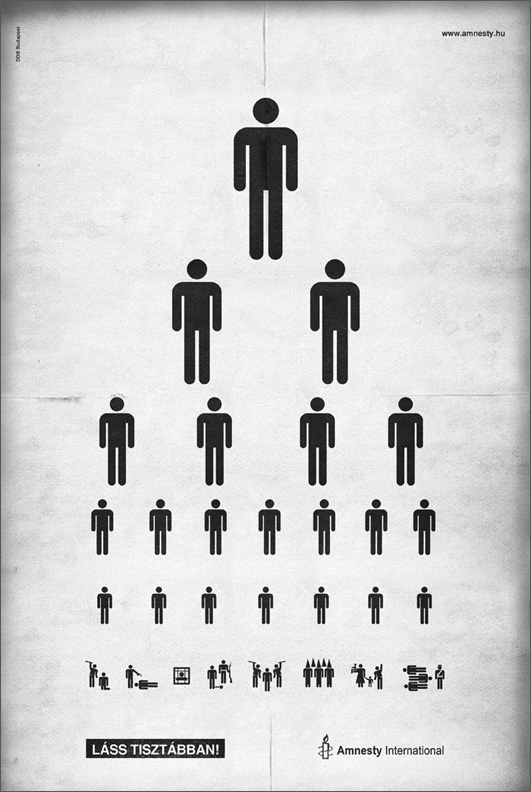
World Human Rights Outcry Calling for Accountability from Amnesty International for their Sexist, Silencing Practices

 
[image is from here]

Press Release: World Wide Outcry To Make Amnesty International See Reason and Make Amends

 
March 22, 2010
People from across the world, including key human rights activists, public intellectuals and citizens groups have supported a global petition demanding public clarification and accountability from Amnesty International.

Among the prominent signatories figure: Salman Rushdie, Michael Walzer; Amitav Ghosh; Malalai Joya, (MP Afghan Parliament, suspended for criticizing warlords).; Dr. Nawal El Sadaawi (Writer and former political prisoner) Egypt.; Martha Nussbaum (Professor of Law and Ethnics, University of Chicago; co-founder of the Human Development and Capabilities Association with Amartya Sen) US.; Dr. Yakin Erturk (Former UN Special Rapporteur on Violence Against Women and board Member of UNRISD). Turkey,: I. A. Rehman and Iqbal Haidar (the most senior members of Pakistan’s Human Rights Commission); Farida Shaheed (UN Independent Expert on Cultural Rights and Director of Research at Shirkat Gah) Pakistan; Jodie Evans (Environmental activist and founder member of CODEPINK, Women for Peace) US; Nayantara Sahgal (Celebrated writer, and former Indian Ambassador to Italy) India; Romila Thapar (Eminent Historian of Ancient India) India; Madanjeet Singh (UNESCO Goodwill Ambassador and founder of South Asia Foundation) Ramachandra Guha (historian, and a regular columnist with The Telegraph of Calcutta.) [See below wider list of notable signatories]
  • On Feburary 7, 2010 Amnesty International’s controversial alliance with Moazzem Begg and his organization, Cageprisoners, who have an ambiguous position on the Taliban, was publicly questioned by Gita Sahgal, Head of the Gender Unit at the International Secretariat of Amnesty International, London.
  • Sahgal raised a fundamental point of principle, which is “about the importance of the human rights movement maintaining an objective distance from groups and ideas that are committed to systematic discrimination.”
  • This principle in no way contradicts or negates the Amnesty International campaign against the fundamental human rights abuses that have occurred at Guantanamo and elsewhere.
  • Rather than responding to the seriousness of her concerns with an investigation of the issues and/or having a democratic debate both internally and in the public domain, Amnesty International suspended Gita Sahgal and publicly reiterated its alliance with Begg. This is a compromise of its own core values.
  • In response to the petition, as well as in a recent public statement, Amnesty has quoted the concept of defensive jihad as justification for its support of Begg.
----
Full text of the The Global petition to Amnesty International: Restoring the Integrity of Human Rights
The above petition is open for public signatures
----
Selected list of the notable signatories includes :
Rhonda Copelon (Director of IWHR (International Women’s Human Rights Law Clinic, City University of NY) US
Meredith Tax (Writer and feminist organizer; President of Women’s WORLD). US.
Michael Walzer (Political scientist at the Institute for Advanced Study, Princeton, NJ, and editor of Dissent magazine). US.
Salman Rushdie (Internationally known writer; winner of the Booker Prize).
Amitav Ghosh (Writer and Professor of Comparative Literature at Queens College, NY; awarded the Padma Sri prize awarded by the Indian government). US and India.
Malalai Joya, (MP Afghani Parliament, suspended for criticizing warlords), Afghanistan.
Dr. Nawal El Sadaawi (Physician, writer, and former political prisoner) Egypt.
Martha Nussbaum (Professor of Law and Ethnics, University of Chicago; c-founder of the Human Development and Capabilities Association with Amartya Sen) US.
Dr. Yakin Erturk (Former UN Special Rapporteur on Violence Against Women and board Member of UNRISD). Turkey
I. A. Rehman and Iqbal Haidar (the most senior members of Pakistan’s Human Rights Commission) Pakistan
Farida Shaheed (UN Independent Expert on Cultural Rights and Director of Research at Shirkat Gah). Pakistan
Gayatri Chakravorti Spivak (Literary theorist and University Professor at Columbia, visiting faculty at Center for Studies in Social Sciences, Calcutta) US and India.
Marieme Helie-Lucas (Algerian sociologist and founder of Women Living Under Muslim Laws and coordinator of Secularism is a Women’s Issue, siawi.org). Algeria and France.
Charlotte Bunch (Founder of the Center for Women’s Global Leadership at Rutgers University, NJ). US.
Rosalind Petchesky (Professor of Women’s Studies and Political Science, Hunter College and the Graduate Center at the City University of New York and MacArthur Fellow) US.
Katha Pollitt (Poet and columnist for The Nation magazine) US
Judy Norsigian (Cofounder and Executive Director of theBoston Women’s Health Collective which publishes Our Bodies Ourselves) US
Jodie Evans (Environmental activist and founder member of CODEPINK, Women for Peace) US
Kum-Kum Bhavnani (Filmmaker) US
Gila Svirsky (Feminist peace activist, cofounder of Women in Black and the Coalition of Women for a Just Peace) Israel
Sonia Correa (Research associate at ABIA - Brazilian Interdisciplinary Association for AIDS,and DAWN coordinator for Sexual and Reproductive Rights and Health Research) Brazil
Carole Vance (Associate Clinical Professor of Sociomedical Sciences, Mailman School of Public Health, Columbia University) US
Steven Lukes (Professor of Politics and Sociology, New York University) US
Tom Harrison (Co-Director, Campaign for Peace and Democracy) US
Patricia McFadden (Editor of SAFERE, Southern African Feminist Review) Zimbabwe
Cynthia Fuchs Epstein (Distinguished Professor of Sociology at the Graduate Center, City University of NY) US
Kristen Booth Glen (Surrogate Court judge in Manhattan; former Dean of the Law School of the City University of New York). US.
Mariella Sala (Writer and former director of RELAT, a Latin American network of women writers; the Latin American Press Agency; and Flora Tristan women’s association) Peru
Virginia Vargas (Sociologist; founder of the Flora Tristan women’s association, and former Latin Amerian coordinator for the 1995 UN Conference on Women in Beijing). Peru.
Dubravka Ugresic (Internationally known writer, formerly from Croatia; winner of many European prizes). Netherlands.
Wanda Nowicka (Polish feminist organizer; co-founder and Director of the Federation for Women and Family Planning, and and co-founder of ASTRA, the Central and Eastern European Women’s Network for Sexual and Reproductive Health and Rights) Poland
Dan Connell (Distinguished Lecturer in Journalism and African Politics, Simmons College, Boston) US
Lynne Segal (Socialist feminist writer and activist; Anniversary Professor of Psychology and Women’s Studies, Birkbeck College, London.) UK.
Doug Ireland (Well known investigative journalist and defender of gay rights). US
Nayantara Sahgal (Celebrated writer, and former Indian Ambassador to Italy) India
Romila Thapar (Eminent Historian of Ancient India) India
Lilian Halls-French, President, European Feminist Initiative (IFE-EFI) France
J. Sri Raman (Senior journalist and Peace campaigner) India
Jean-Marie Matagne (Former presidential candidate, President of Action des Citoyens pour le Désarmement Nucléaire –ACDN) France
Madanjeet Singh (UNESCO Goodwill Ambassador and Founder of the South Asia Foundation) India
Kamla Bhasin (Co-President, PeaceWomen Across the Globe) India
Hameeda Hossain (South Asians For Human Rights) and ASK (Ain O Salish Kendra) a women’s rights organization, Bangladesh
Yvonne Deutsch (co founder of Women in Black Jerusalem and founder Feminist Center in Jerusalem) Israel
Shabnam Hashmi (founder of Act Now for Harmony and Democacy -Anhad) India
Kushi Kabir (Feminist and founder of Nijrera Kori, women’s mass organistaion) Bangladesh
Harsh Mander (former state official and founder of Aman Biradari) India
Andrej Grubacic (Associated with Global Balkans Network) USA
Sunanda Sen (renowned economist) India
Kumudini Samuel (Women and Media Collective) Sri Lanka
Uma Chakravarti (Feminist Historian, and human rights activist, India)
Amit Bhaduri (Professor Emeritus at Jawaharlal Nehru University, Delhi) India
Caroline Fourest (Writer and journalist, Editor of the Journal Prochoix) France
Anand Patwardhan (documentary filmmaker and peace activist) India
Sooni Taraporevala (widely acclaimed film scenarist) India
Bruce Portugal Amoroto (Diversity and Equality) Philippines
Sonia Jay Wright (Rede Mulher & Democracia) Brazil
Houzan Mahmoud (Kurdish women’s rights and peace activist and co-founder of the Iraqi Women’s Rights Coalition) Iraq
Martha Villanueva / www.gruposafo.org
Rina Nissim (Women’s Health Activist, Publisher) Switzerland
Stasa Zajovic (founder of Women in Black-Belgrade) Serbia
Ramachandra Guha (historian, and a regular columnist with The Telegraph of Calcutta.) India
Lino Veljak, University of Zagreb, Croatia
Asghar Ali Engineer (Director, Centre for Study of Society and Secularism) India
Sultana Kamal (Director of Ain O Salish Kendra and former advisor the Bangladesh Govt.) Bangladesh
Tanvir Mokammel (film maker) Bangladesh
Mazher Hussain (Director, Confederation of Voluntary Agencies –COVA) India
Jameela Nishat (Hyderabad-based feminist and poet) India
Gautam Navlakha (Editorial Consultant, Economic and Political Weekly, Bombay and a senior member of People’s Union for Democratic rights)
Ruth Vanita (Feminist and Writer, former co-editor of the journal Manushi)
Kavita Srivastava (General Secretary of the People’s Union for Civil Liberties) India
Deniz Kandiyoti (Reader at the Department of Development Studies and Chair of the Centre of Contemporary Central Asia and the Caucasus at the School of Oriental and African Studies, University of London.) UK
Pierre Pradervand (writer and founder of vivre autrement) Switzerland
Mohammad Tahseen (Executive Director, South Asia Partnership-Pakistan) Pakistan
Sheema Kermani (Dancer, and Feminist. Founder of the group Tehrik e Niswan) Pakistan
Sheba Chhachhi (artist, photographer, feminist activist, and writer) India
Zoya Hasan (Professor of Political Science at Jawaharlal Nehru University) India
Dr Abid Suleri (Executive Director Sustainable Development Policy Institute -SDPI Islamabad (Pakistan)
Sonia Jabbar (writer, journalist, photographer, filmmaker) India
NiraYuval-Davis (Director of the Research Centre on Migration, Refugees and Belonging, University of East London) UK
Babu Gogineni (International Director of the International Humanist and Ethical Union) India
Tarek Fatah (political activist, writer and broadcaster) Canada and Pakistan
Kumudini Samuel (Women and Media Collective) Sri Lanka
Sumit Sarkar, was Professor of History at the University of Delhi and founding member of the Subaltern Studies Collective (India)
Tanika Sarkar (Professor of History at Jawaharlal Nehru University) India
Dilip Simeon (Labour Historian and founder of Aman Trust) India
Githa Hariharan (writer, and editor) India
Urvashi Butalia (Feminist Activist and founder of Zubaan Books) India
Deepa Dhanraj (Feminist and documentary Film Maker) India
Pragna Patel, Southall Black Sisters, UK
Farooq Tariq / Labour Party Pakistan
Jessica Almy-Pagán, Universidad de Puerto Rico en Arecibo
Pamela Philipose (Journalist and Director of Women’s Feature Service) India
Meghna Guhathakurta, Academic, Dhaka (Bangladesh)
Subhashini Ali, President, (All India Democratic Women’s Association - AIDWA), India
Javed Anand (General Secretary, Muslims for Secular Democracy and Co-editor, Communalism Combat; Founding Trustee, Citizens for Justice and Peace , Mumbai) India
Karamat Ali (Co Director, Pakistan Institute of Labour Education and Research and founding Member of Pakistan Peace Coalition) Pakistan
Ruchir Joshi (writer and film maker) India
Prof. Kamal Chenoy (Chairperson, Centre for Comparative Politics & Political Theory, Jawaharlal Nehru University) India
Dr John Dayal (former journalist and is Secretary General of All India Christian Council) India
Nick Cohen (journalist, author, and political commentator) UK
Kalpana Kannabiran (Asmita Collective) India
Tahir Mahmood (Jurist and Member, Law Commission of India) India
Peter Waterman (writer, scholar, initiator of a Global Labour Charter) Netherlands
Cherifa Kheddar (President "Djazairouna" association of familles of victimes of islamist, terrorism) Algeria
Harsh Kapoor (Founder South Asia Citizens Web) France and India
Organisations:
Association for Women’s Rights in Development (AWID), International
Baobab for Women’s Human Rights, Nigeria
Center for Women’s Global Leadership (CWGL), US
Fundacion Arcoiris por el respeto a la diversidad sexual, Mexico
I-NFORM, Sri Lanka
MADRE, US
Marea (Feminist journal), Italy
Revolutionary Association of the Women of Afghanistan (RAWA), Afghanistan/Pakistan
Secularism is A Women’s Issue (SIAWI), International
Urgent Action Fund for Women’s Human Rights, US
Women Against Fundamentalism, UK
Women Living Under Muslim Laws (WLUML), International
and 1500 more signatories
Article License: Copyright - Article License Holder: Human Rights for All